
SB 1383: SHORT-LIVED CLIMATE POLLUTION REDUCTION
Read on to learn what, why and how this California law affects you.
What is SB 1383?
(Haga clic arriba a la derecha para la traducción al español)
SB 1383 is a California law that was passed in 2016 as a statewide effort to reduce emissions of short-lived climate pollutants. Specifically, the law sets the following targets:
- Reduce statewide disposal of organic waste 50% by 2020 and 75% by 2025 (based on 2014 levels); and
- Recover a minimum of 20% of surplus edible food safe (that is currently being landfilled) by 2025.
The complete text on the final regulations for SB 1383 can be found on the CalRecycle website. CalRecycle is the state agency responsible for creating the regulatory standards for SB 1383.
Why was SB 1383 passed?
California is experiencing a climate crisis: record-breaking temperatures, longer fire seasons, extreme droughts, and rising sea levels. These extreme weather events are partly caused by too much greenhouse gas in the atmosphere, so named because they trap the sun’s heat and warm the planet. The purpose of this law is to reduce greenhouse gases such as methane, which are created when compostable materials such as food scraps and other organic materials get landfilled and decompose anaerobically (without oxygen).
Landfills are third largest source of methane in California. Organic waste in landfills emits 20% of the state’s methane (a climate super pollutant 84 times more potent than carbon dioxide) and air pollutants like PM 2.5 (which contributes to health conditions like asthma). Organics like food scraps, yard trimmings, paper, and cardboard make up half of what Californians dump in landfills. Reducing short-lived climate super pollutants like organic waste will have the fastest impact on the climate crisis.
Additionally, SB 1383 addresses the issue of food waste and insecurity. About 40% of all food produced in the U.S. is wasted, and almost 1 out of 4 Californians are food insecure. The edible food recovery requirement will help feed those who are food insecure and prevent edible food (more compostable material) from being landfilled.
What are organics?
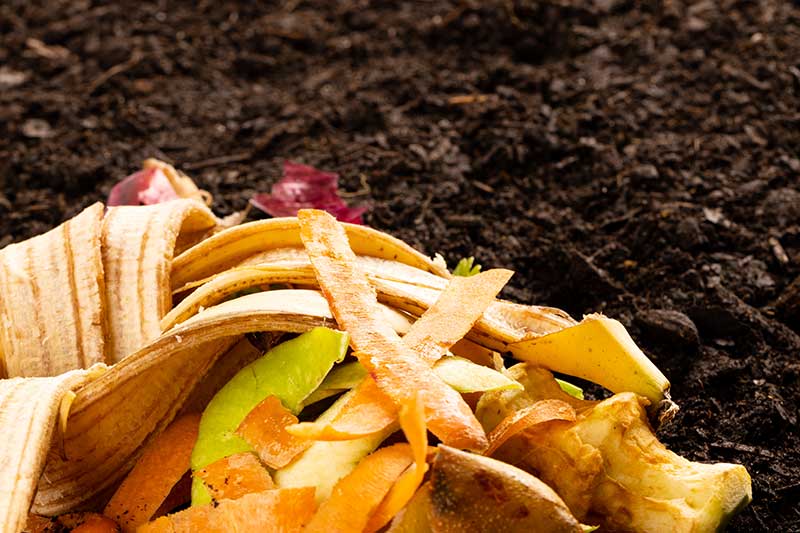
Organic materials (aka organics or organic waste) are solid wastes containing material originated from living organisms and their metabolic waste products. This includes food scraps, soiled paper, yard trimmings and other materials.
How does SB 1383 impact me as a resident?
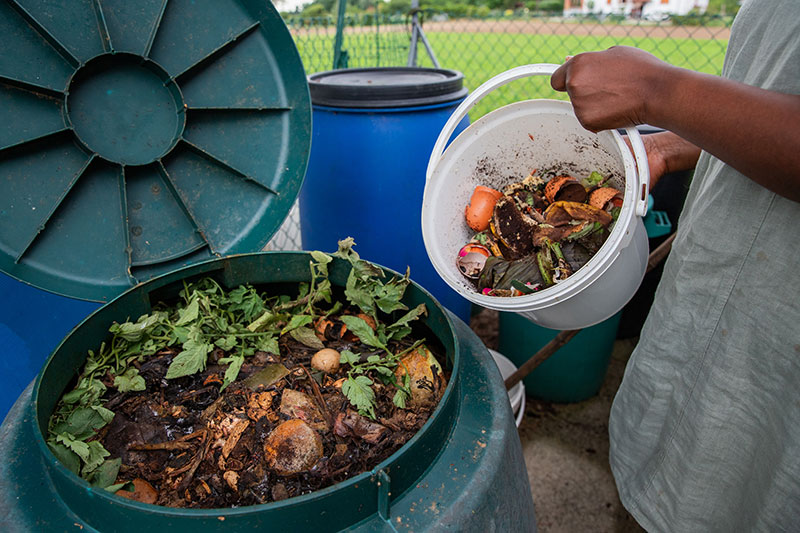
To be in compliance with state law, residents and businesses must place compostable and recyclable materials in the appropriate carts. Residents living in single-family homes are automatically provided curbside organics and recycling service. If you do not have organics or recycling service, please contact our office to set up your service.
SB 1383 regulations also require that we conduct periodic “route reviews” of customer carts. These are visual checks of the landfill, recycling, and organics carts to verify customers are putting materials into the correct cart. So, you may see our staff conducting these “flip-the-lid” visits in your neighborhood – we’ll then be following up regarding any contamination issues and providing educational assistance as necessary.
How does SB 1383 impact me as a business?
Businesses and multi-family housing complexes are also required to properly separate compostable & recyclable material. If you own a business or multi-family complex, you are required to;
- Subscribe to and participate organics collection and recycling collection services
- Providing collection containers for compostables and recyclables to employees, contractors, tenants, and customers. Collection service must be arranged so that access to an adequate number, size, and location of containers with correct labels is available.
- Providing indoor containers for compostables and recyclables in all areas where disposal containers are provided for customers, except in restrooms (multi-family dwellings are exempt).
- Annually providing educational information to employees and tenants about the legal requirements to compost and recycle including how to properly sort between the three waste streams.
Is my business classified as a food service business (commercial food generator) that must comply with SB 1383?
Food service businesses (commercial food generators) are currently split into two tiers. Read below to check if your business falls under either tier:
Tier One must comply with edible food recovery requirements by January 1, 2022.
This includes:
- Supermarkets
- Grocery stores (with a total facility size 10,000 square feet or more).
- Foodservice distributors
- Wholesale food markets
Tier Two must comply with edible food recovery requirements by January 1, 2024.
This includes:
- Restaurants (with 250 seats or more, or 5,000 square feet or more)
- Hotels (with on-site food facility and 200 rooms or more)
- Health facilities (with onsite food facility and 100 or more beds)
- State agencies (with a cafeteria with 250 or more seats, or 5,000 square feet or more)
- Local education agencies (with an onsite food facility)
- Large venues and events
If your business falls under either tier, you must arrange to recover the maximum amount of edible food that would otherwise go to landfills and maintain records of your compliance. You can also check out our tips on how to reduce food waste on CalRecycle’s pages on Food Recovery for more information.